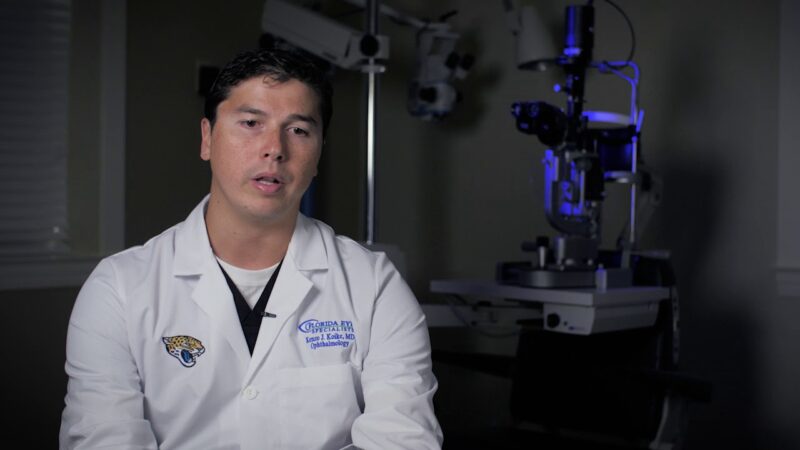
In this insightful segment, Dr. Kenzo J. Koike, a board-certified and fellowship-trained glaucoma specialist at Florida Eye Specialists, shares how glaucoma is detected and diagnosed during a comprehensive eye exam. Early detection is critical, as glaucoma often presents no symptoms until irreversible vision loss has occurred.
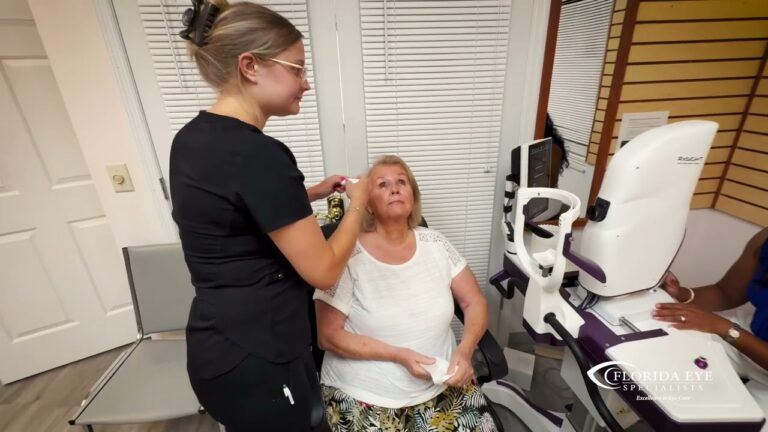
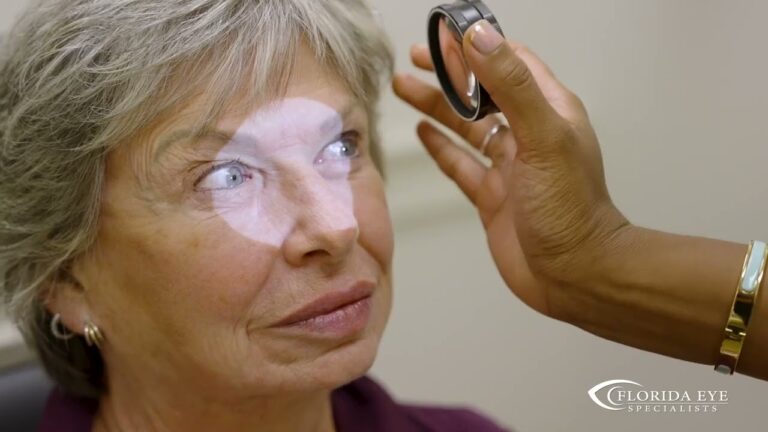
Dr. Koike walks viewers through the tools and techniques used to monitor eye pressure, evaluate the optic nerve, and measure visual field changes. He also explains risk factors such as family history, age, and elevated intraocular pressure—and why regular visits to an eye doctor are essential, especially for those over 40.
You’ll learn how our advanced diagnostic technology allows us to identify glaucoma in its earliest stages, when treatment is most effective. Florida Eye Specialists is committed to providing expert glaucoma care and empowering patients to take control of their vision health.
Video Transcript
Glaucoma doesn’t present with any symptoms, so there’s no pain associated with glaucoma. The vision loss occurs so slowly over time that patients don’t notice they’re losing vision until it starts getting more advanced. The really only way to check for it is getting a full exam and looking specifically for some of those signs — or I should say signs, really — of glaucoma. The good news is that, although it’s not curable, we can treat glaucoma, and the sooner we can detect it and treat it, the higher the likelihood that patients will go through their life without losing any significant vision.