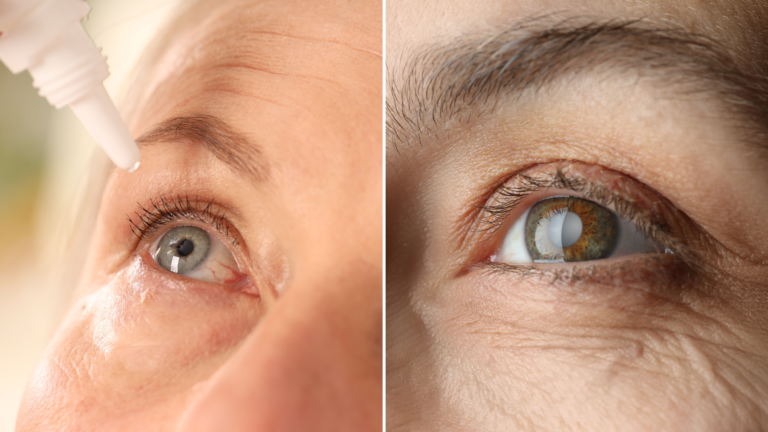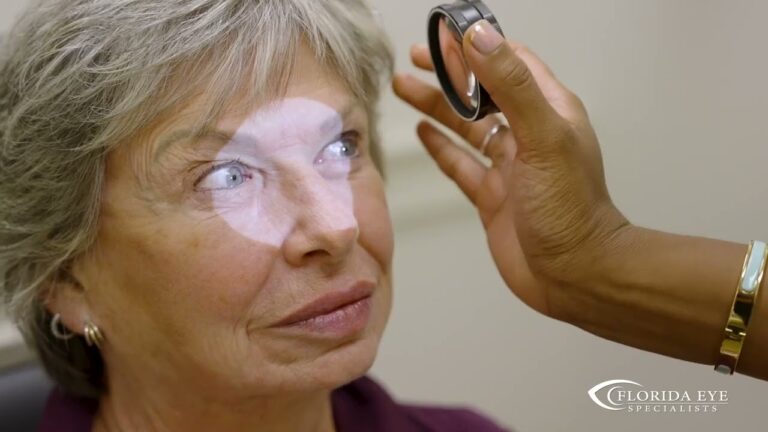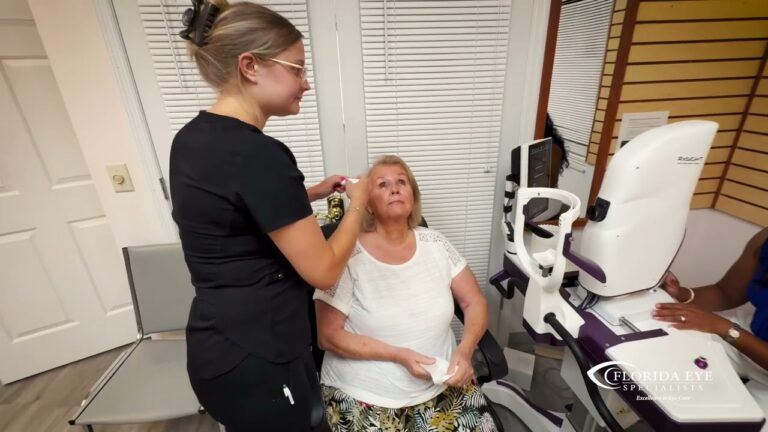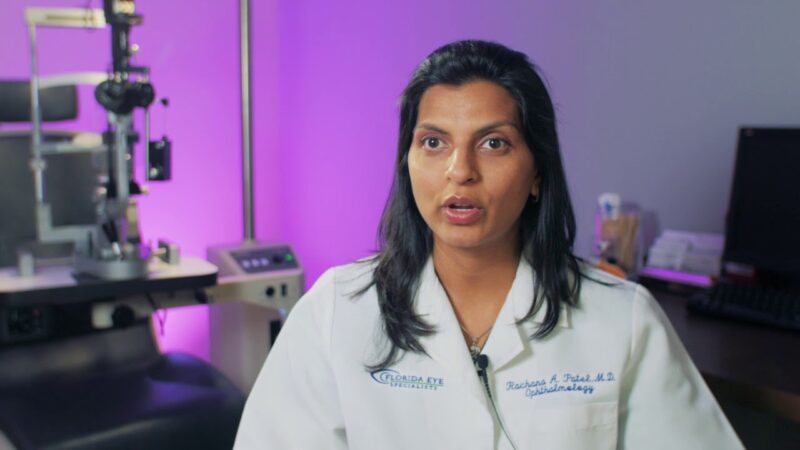
Understanding the early signs of cataracts is essential for maintaining clear, healthy vision—especially as we age. In this informative segment, Dr. Rachana Patel, a leading ophthalmologist at Florida Eye Specialists, explains common cataract symptoms to look out for, such as blurred vision, glare, halos around lights, and difficulty seeing at night. The video also covers how cataracts progress over time and why early detection is key to preventing long-term vision loss. Viewers will learn when to seek a professional eye exam and what to expect if cataract surgery becomes necessary.
Whether you’re experiencing subtle vision changes or are just curious about cataract treatment options, this video offers trustworthy insight from a respected eye doctor in Jacksonville, FL.
Video Transcript
The biggest symptoms are night-driving symptoms. Patients will really start noticing that they have a hard time driving at night — they can’t look straight ahead at the oncoming traffic light, they might have to look down and to the side, because the light, when it hits the cataract (which is now a cloudy lens), scatters in different directions rather than focusing in one point. So that’s one of the early signs.
The other sign I tell patients about is when you have a hard time doing things that you used to love to do but no longer can. That’s a time where it has really escalated to the point where we need to consider surgical intervention. It comes on very gradually, so it’s very hard for patients to appreciate these slow changes, because it can take many years to happen. But patients will know that glasses will no longer correct their vision to 20/20, and that’s when we know that it’s really matured to the point that we should do something other than glasses for the cataracts.