Oculoplastic surgery combines the precision of ophthalmology with the artistry of reconstructive and cosmetic surgery. In this informative video, Dr. David Kostick, a board-certified oculoplastic surgeon in Jacksonville, explains what oculoplastics entails and how it helps patients with both medical and aesthetic concerns around the eyes.
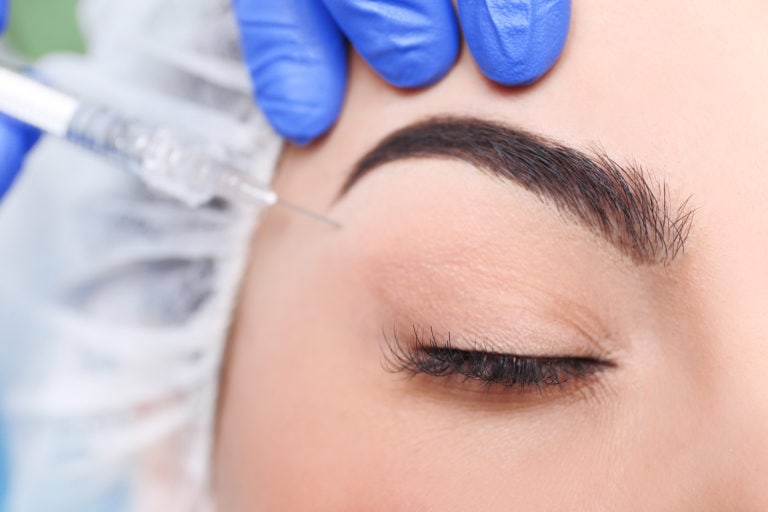
With over 20 years of experience and fellowship training in ophthalmic plastic and reconstructive surgery, Dr. Kostick discusses the full scope of procedures he performs—from simple eyelid lesion removals to complex orbital reconstructions. He also specializes in eyelid surgery (blepharoplasty), eyebrow lifts, and tear duct repair, helping patients improve both function and appearance.
Whether you’re experiencing droopy eyelids that impair vision or are interested in cosmetic rejuvenation, Dr. Kostick and the Florida Eye Specialists team offer customized care with outstanding results.
Video Transcript
Welcome back. With us today is Dr. David Kostick, who is a board-certified ophthalmologist who actually has a very unique specialty, and he’s going to tell us about that. You’re with Florida Eye Specialists — that’s correct, and thank you for having me.
Well, welcome. Tell us about this specialty you have, because it’s hard to pronounce. It’s ophthalmic plastic and reconstructive surgery. What people say is ‘oculoplastics’ for short. So it’s a subspecialty of ophthalmology — being an ophthalmologist and a plastic surgery specialist as well, and you’re combining them where you specialize specifically with the eye. That’s correct: we do a lot of eyelid surgery, eye socket surgery, and tear duct surgery.
That’s really interesting, because you have so many board-certified specialists that do so many different things. Tell us a little about your practice. Well, we’re Florida Eye Specialists, and that name actually means something — everyone’s a specialist. So instead of just doing general ophthalmology, all the partners and physicians there have done additional training. After ophthalmology, some have gone into glaucoma or cornea surgery, and what I do is oculoplastics: the eyelid, eye socket, and eyebrow type of work, and tear duct surgery.
One of the things about the kind of specialty you do — a lot of people at home don’t realize this, but if you’re going to get plastic surgery done, one of the things you want to ask is how many of those surgeries you do. If you have two doctors you’re deciding between, it depends: maybe one doctor does one or two a month, or another doctor does one or two a week. That’s one of the things we should all be asking. That’s correct — the patient should feel very comfortable asking those types of questions. For me, I’ve been doing this for 20 years, so I don’t have an exact number, but even tomorrow I have 11 eyelid surgeries and then an orbital decompression, taking care of a patient with Graves’ disease. So this is what I do, day in and day out — thousands and thousands of eyelid surgeries over the past couple of decades.
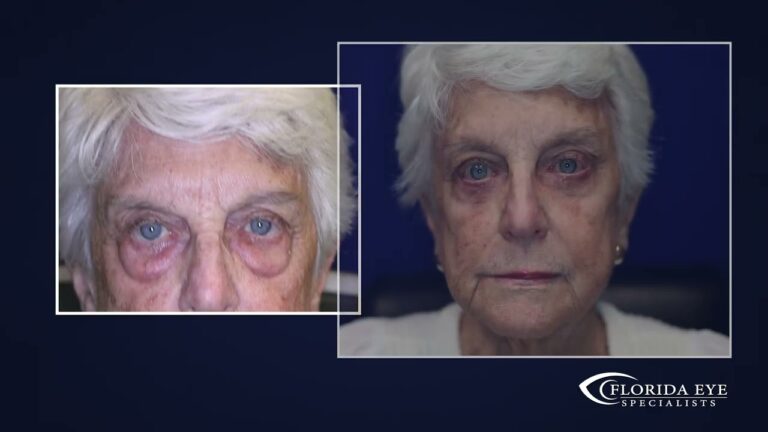
You say that so quickly — so you’re going to do 11 separate eyelid surgeries on 11 different patients? Well, most patients have a couple of eyelids, so some of them do both. Some patients will have droopy eyelids where the eyelids cover the pupil, some people have excess skin they don’t like around their eyes, and eyebrows may be low. Then for the patient with Graves’ disease, the eyeballs are bulging, so we have to work on the bones of the eye socket around the eye. That’s an autoimmune disorder where they get inflammation, and it potentially can cause some vision problems, so it’s important to get that evaluated. But both of these can be either functional or cosmetic, and most of those are reconstructive-type surgery after the inflammation is gone.
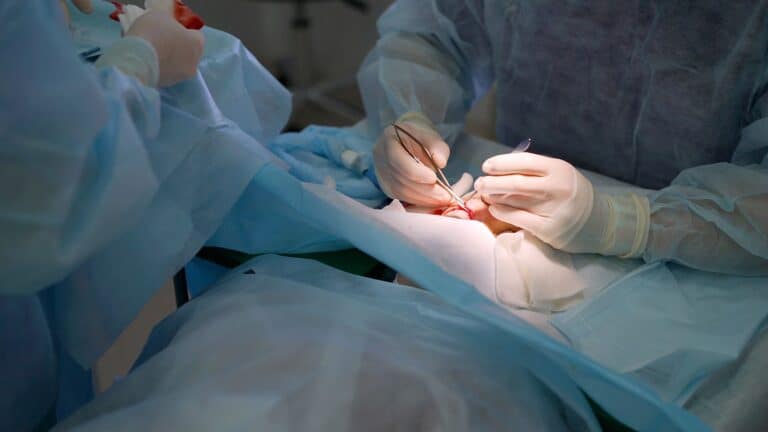
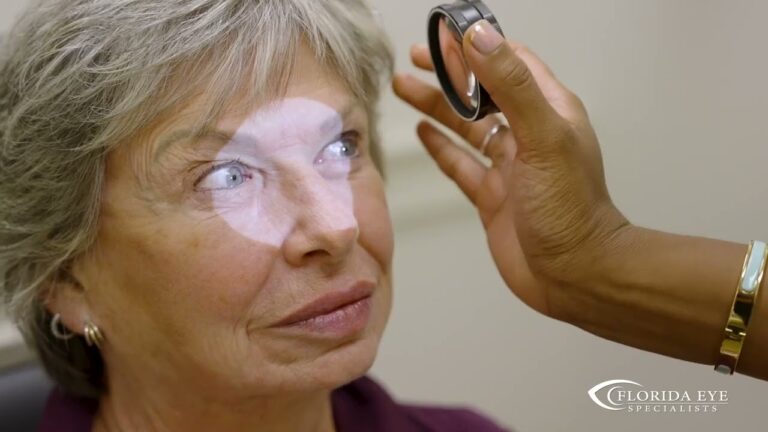
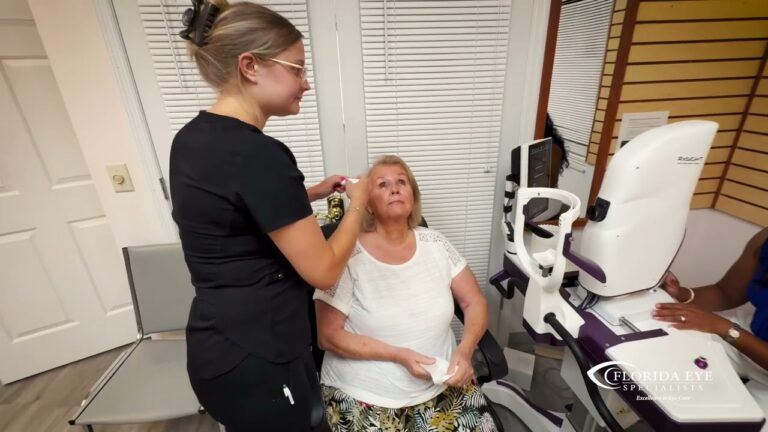
When someone’s getting their eyelids done — which is what you’re going to do tomorrow — what goes into that? Do they come see you for an initial consult? It’s important to have the initial consult, because what we’re concerned about is the health of the eye, to make sure you’re a good candidate to have eyelid surgery. So everybody I see will get an eye exam; we’ll look at the surface of the eye and make sure there’s no reason why they wouldn’t be a candidate. Then we get ready for the surgery — it’s outpatient surgery with IV sedation — and afterwards I like them to make healing up from that surgery the highest priority of their life.
You’re at four different locations in the area. The one I always see is on 9A, but you have others as well. Correct: 9A, Ponte Vedra Beach, Fernandina Beach, and then Stockton and San Marco. And if someone needs surgery — I know you don’t specifically do glaucoma, but another one of your specialists does — where do you perform your procedures? The majority is at Southpoint Surgical Center off of Belfort Road. It’s an independent surgery center that multiple other physicians use. It’s hard to put a number on it, but even in our practice we probably do 60 cataracts minimum a week, plus the other eye surgeries — so it’s a place that does a lot of eye and eyelid surgery.
Tell us a little about you personally, because you have an interesting background. You’ve been in the Jacksonville area for 20 years. Twenty years, correct. I came from a medical family, so I knew early that I didn’t want to go into medicine, because I saw how hard it was. Then later on I got a little wiser and decided I wanted to go into medicine. I went to Tulane for medical school, the Cleveland Clinic for my ophthalmology residency, and a fellowship in ophthalmic plastic and reconstructive surgery. After that, I came down in ’95 to join the Mayo Clinic and was on staff there for 16 years before I joined my colleague, Dr. Shetty, at Florida Eye Specialists.
So you were at Mayo for 16 years before you came over. And you have a variety of doctors there that specialize in different things — basically all parts of the eye covered. Yeah, most people don’t realize there are multiple specialties in ophthalmology alone. Well, listen, thank you so much. My pleasure. We’ll see you next time.