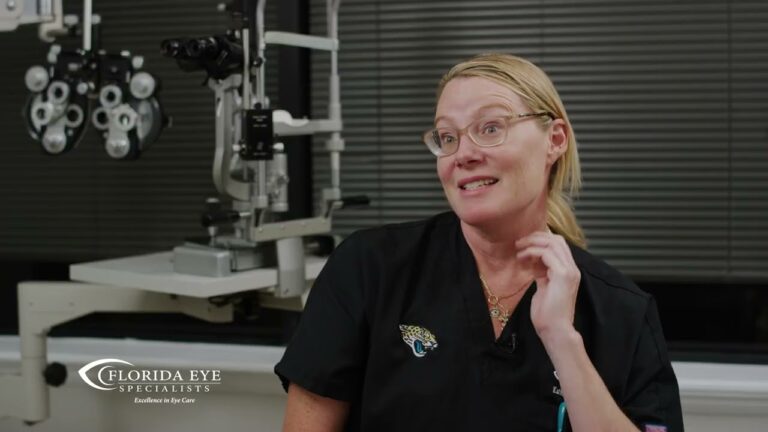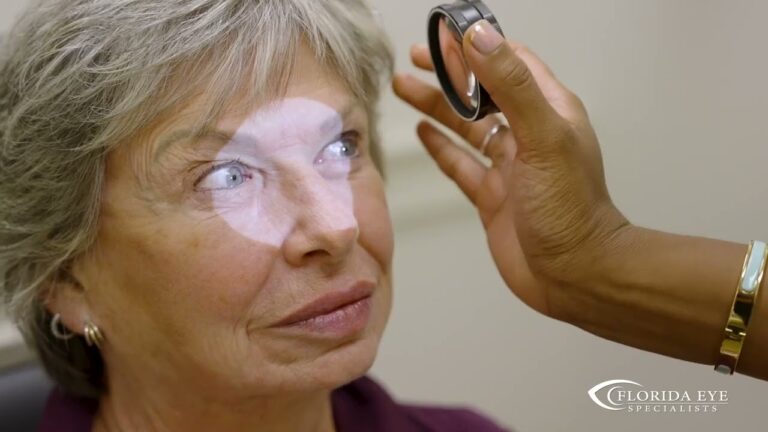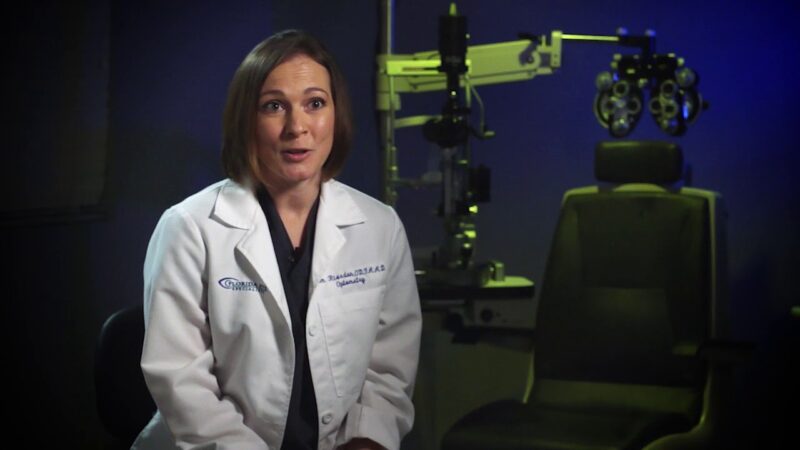
Dry eye syndrome is one of the most common yet misunderstood eye conditions affecting millions of Americans. In this video, Dr. Kimberly Riordan, dry eye specialist at Florida Eye Specialists, breaks down the root causes of dry eye and explains why a personalized approach to treatment is essential.
You’ll learn about the environmental, lifestyle, and health-related factors that contribute to dry eye, including screen time, aging, hormonal changes, and autoimmune diseases. Dr. Riordan also discusses the role of meibomian gland dysfunction (MGD), inflammation, and tear film instability in causing chronic irritation and discomfort.
Florida Eye Specialists offers advanced diagnostic tools and treatment options, from prescription eye drops and punctal plugs to in-office therapies like IPL and LipiFlow. If you’re experiencing burning, redness, gritty sensations, or watery eyes, don’t ignore the symptoms.
Video Transcript
Dry eye is a chronic condition that’s caused by an imbalance or inadequate tear production. There are two primary forms of dry eye: one that we term aqueous-deficient, meaning you don’t produce enough tears; the other we term evaporative dry eye, meaning that your tears evaporate more quickly than they should. For those who suffer from aqueous-deficient dry eye, there are many contributing factors, such as aging, hormonal changes, certain medications, and certain systemic diseases like diabetes, rheumatoid arthritis, and Sjogren’s syndrome. For patients who suffer from evaporative dry eye, that’s from a lack of oil in the tear film. We have small glands along the eyelids called meibomian glands, and over time those can become clogged. When they become clogged, the oils don’t reach the front surface of the eye, and the result is dry eye symptoms. There’s also a condition called blepharitis, meaning inflammation along the eyelids, that can further contribute to dry eye symptoms.