
Glaucoma is a group of eye diseases that gradually steal sight without warning — often called the “sneak thief of sight.” In the early stages there may be no symptoms, and studies suggest that half of the people affected by glaucoma in the United States may not know they have it.

How Glaucoma Develops
- Typically develops slowly
- May not cause symptoms early
- Can lead to permanent vision loss if untreated
- Early detection is key
Types of Glaucoma
Primary Open-Angle Glaucoma
The most common form. It develops slowly and often without noticeable symptoms.
Angle-Closure Glaucoma
Also called acute glaucoma; the iris blocks fluid drainage, causing a sudden rise in eye pressure that requires immediate care.
Normal-Tension Glaucoma
Damage to the optic nerve occurs despite eye pressure remaining relatively low.
Secondary Glaucoma
Develops as a result of another disease or injury that raises intraocular pressure.
Congenital Glaucoma
A rare form present at birth or in early childhood, often caused by abnormal development of the eye’s drainage system.
Causes of Glaucoma
Glaucoma is caused by a number of eye diseases that, in most cases, increase pressure within the eye. This elevated pressure is caused by a backup of fluid and, over time, damages different parts of the eye — particularly the optic nerve.
Whether eye pressure is high, normal, or below normal, damage can still occur. Most types of glaucoma are chronic and present for life. Some occur suddenly (such as angle-closure glaucoma), but most develop slowly over months or years.
Symptoms & Risk Factors
Symptoms (often late-stage)
- Peripheral vision loss
- Blurred vision
- Halos around lights
- Eye pain (acute cases)
Risk Factors
- Age over 60
- Family history
- Diabetes
- High eye pressure
- African American / Hispanic heritage
Diagnosing Glaucoma
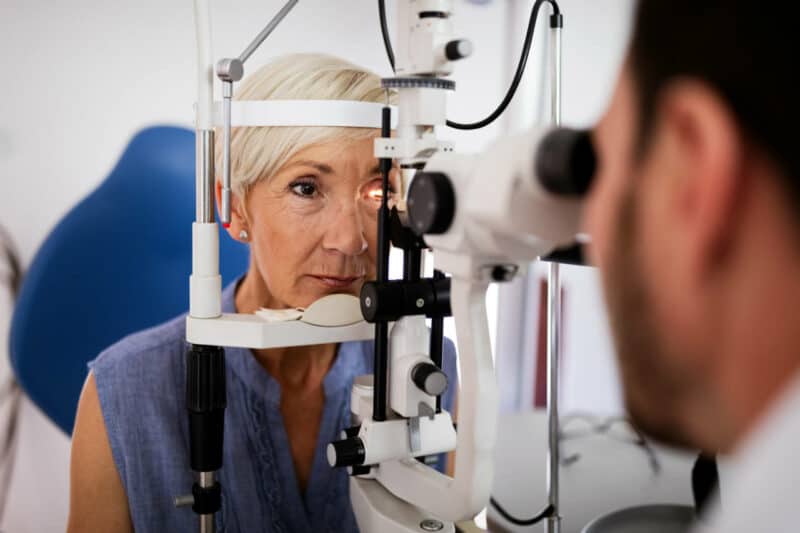
Elevated eye pressure is one of the first signs an eye doctor looks for, but eye pressure alone cannot diagnose glaucoma. Once elevated pressure is noted, your doctor will order tests such as an optical coherence tomography (OCT) scan and fundus photography, and carefully examine the retina and optic nerve to confirm the diagnosis. Family history — especially close relatives with vision loss — is also a critical part of the evaluation.
Protect Your Vision with Early Detection
Florida Eye Specialists offers the latest technology for diagnosing and monitoring glaucoma. Schedule a screening today.